

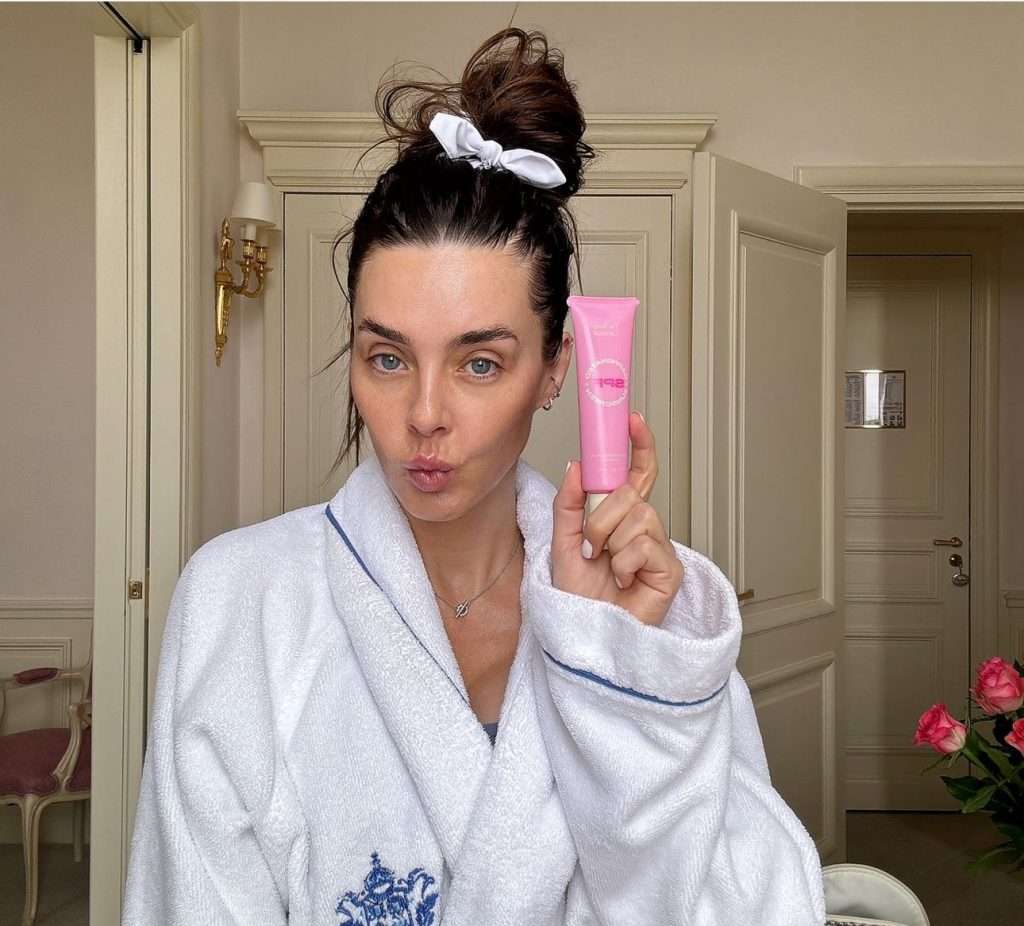
Let’s just get RIGHT to it.
If you’ve been on the blog for a while you’ve definitely seen at least one plug for sun protection. We’re all about it.
Between premature aging and health complications like skin cancer, there’s no good reason to let the sun have unregulated access to your skin.
If you want to look and feel youthful for as long as possible, protecting your skin from the sun is an ESSENTIAL part of your daily routine – and that means committing to a daily sunscreen.
Just how do you protect your skin from all that skin damage, then?
Sunscreen is a tried and true way of protecting the skin, so you know you’re safe if you’ve got it on.
Lately, though, we’ve been seeing tons of skin care products like moisturizers that contain SPF, which is how we measure how effective sunscreen is at protecting you.
So, what’s the skinny on moisturizers with SPF? Can they double as sunscreen? Or are both components essential to your skincare routine on their own?
Keep reading to discover the differences between moisturizers with SPF vs. sunscreen.
Moisturizer with SPF vs Sunscreen: Here’s The Skinny
What is Sunscreen?
Sunscreens are products that combine different ingredients in order to protect your skin from damaging UV rays. There are two different types of sunscreen products: physical blockers and chemical absorbers.
Physical blocking sunscreen products are typically made with titanium dioxide or zinc oxide. These are the sunscreens that may leave a white cast over your skin. Titanium dioxide and zinc oxide are minerals that are ground down into fine particles. They sit on the surface of the skin and reflect the UV rays away from your skin. Chemical absorbers, on the other hand, form a thin protective film over the skin to absorb the radiation from the sun before it penetrates the skin.
Both of these types of sunscreens have benefits. In fact, many sunscreens you can find at the store will use a combination of these ingredients. You might choose a sunscreen with only chemical absorbers if you’re trying to avoid that white/greasy residue, or you might use one with only physical blockers if you have dry skin or skin prone to irritation.
You should ensure you liberally apply broad spectrum sunscreen that provides SPF of at least 30–at the minimum.. And when we say liberally, we mean L I B E R A L L Y. You should even be applying sunscreen on your eyelids, and every 2 hours.
PRO TIP: If you’re applying makeup, be sure to use something more like our CAFFEINATED SUNSCREEN with SPF 40. It’s the PERFECT canvas for makeup and the new last step to your morning skincare routine. And it’s even our top choice for reapplying SPF after your makeup is done.
What is a Moisturizer with SPF?
Moisturizers with SPF are skincare products attempting to double up and work as both a sunscreen and a moisturizer. When used correctly, moisturizers with SPF can speed up your skincare routine as they act to both protect your skin and help hydrate it at the same time. WIN-WIN.
What You Should Know Now
Here’s the big update: dermatologists are strongly recommending that moisturizers with SPF should not replace your dedicated sunscreen—especially if you’re going to be in direct sun exposure for more than 15 minutes. While many moisturizers now include SPF protection, most aren’t water-resistant, and people rarely apply enough to reach the labeled SPF rating.
Also, keep an eye on the ingredients: some moisturizers with SPF include amazing additions like hyaluronic acid, which is fantastic for locking in hydration and supporting your skin’s natural barrier. However, unless it’s paired with a broad spectrum SPF of at least SPF 30, you’re not getting the protection you think you are.
How Do Moisturizers with SPF Work?
Moisturizers with SPF work similarly to how sunscreens work they use the same ingredients to block the sun. You can find mineral moisturizers with SPF, chemical moisturizers with SPF, or a combination of the two.
The main difference in how sunscreen works vs. how moisturizers work is that sunscreen typically sits on the skin as an external layer, while moisturizers are designed to penetrate the skin’s barrier to hydrate deep within.
Is Moisturizer with SPF Enough?
To tell you the truth, how well moisturizers with SPF work depends on what kind of moisturizer you’ve got and how much you use.
Moisturizers with sunscreen can be effective IF they have SPF of at least 30 and offer broad spectrum protection to protect against both UVA and UVB rays, and you apply it generously—just like you would with a dedicated sunscreen.
But most people don’t apply enough of their moisturizer, or miss areas like ears, neck, or chest.
Use your favorite moisturizer with SPF as part of your base routine. Then, apply sunscreen on top. This gives you both the hydrating benefits of your daily cream and the reliable UV protection of a dedicated sunscreen.
What product do you use to get your SPF in?
We’ll give it to you straight you NEED to be using a powerful sunscreen to keep your skin looking its absolute best. If you’re not already, it’s time to start.
Lucky for you, Lauryn spent SO MUCH time creating this amazing CAFFEINATED SUNSCREEN to be your new skincare staple. It’s got a sun protection factor you can trust, leaves no white cast, and plays nice with makeup. It’ll help you stay safe and keep looking youthful.
PS. If we’ve caught you too late and you’ve already got a sunburn, try this ice roller to help cool down and restore your skin. Then, grab some CAFFEINATED SUNSCREEN so you don’t wind up in that situation again.
x, The Skinny Confidential team
+ Learn more about our Caffeinated SPF here.
++ Eat your way to glowing skin.
SKINCARE FAVORITES:
